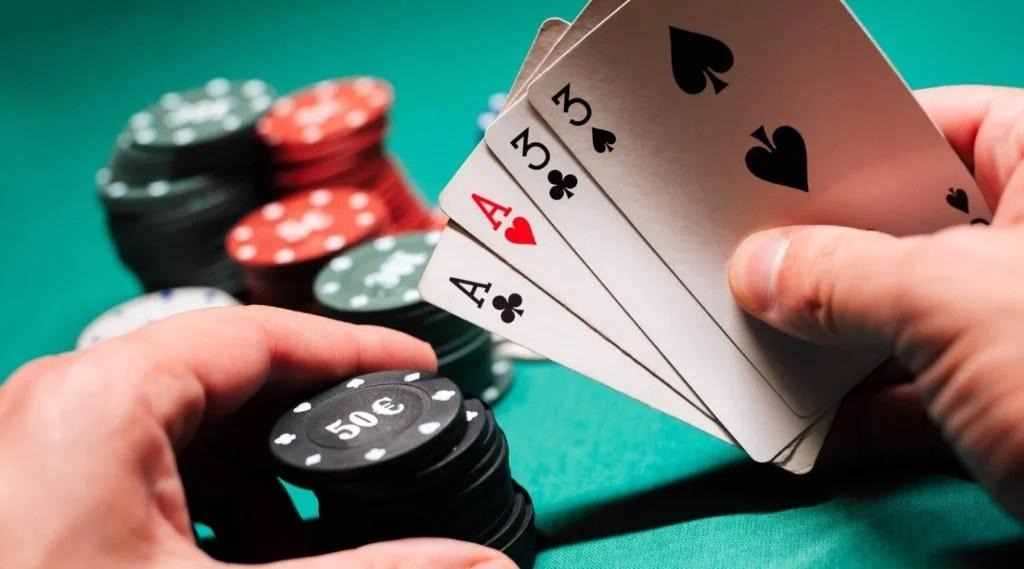
Account safety is easy to overlook when everything is working smoothly, yet it deserves daily attention from every player who uses hit club. Your account holds your personal preferences, your playing history, and your access to the platform, so protecting it is an essential part of enjoying games without worry. Good security does not require technical expertise; it requires consistent, simple habits applied every time you sign in, play, and sign out. When those habits become routine, they protect you quietly in the background, allowing you to focus on enjoyment rather than anxiety about potential problems.
A strong password is the first line of defence for any account on hit club, and it is worth taking the time to create one properly. Choose a password that is long, unique, and unrelated to easily guessed personal details such as birthdays, names, or common words. Combine uppercase and lowercase letters, numbers, and symbols, and avoid reusing the same password across different websites. If remembering complex passwords is difficult, a trusted password manager can store them securely for you. A strong password alone does not guarantee safety, but it makes unauthorised access far more difficult.
Two-step verification, where available, adds a powerful second layer of protection to your hit club account. Even if someone somehow learns your password, they would still need a second factor, such as a code sent to your phone or email, to gain access. Enable this feature if it is offered, and keep your recovery contact details up to date so verification codes reach you reliably. Treat verification codes as private: never share them with anyone, even someone claiming to be support staff. Genuine helpers will never ask you to reveal a code, and any such request should be treated as a warning sign.
Phishing messages are one of the most common threats facing online players, and users of hit club should learn to recognise them. Phishing attempts often arrive as emails, messages, or posts promising rewards, warning of account problems, or urging urgent action. They may look convincing, using familiar logos or language, but they often contain subtle clues such as unusual sender addresses, spelling errors, or links that do not match the official site. Never click suspicious links or enter login details through a message. Instead, go directly to the official platform yourself if you need to check anything.
Device safety matters just as much as password safety, because a compromised device can put your hit club account at risk regardless of how strong your password is. Keep your phone or computer software updated, since updates often fix security vulnerabilities. Install apps only from official stores, and be cautious about granting unnecessary permissions. Use screen locks on your devices, and avoid leaving your account signed in on shared or public devices. If you do use a shared device, sign out completely when you finish, and clear any saved login details that might remain.
Public networks require extra caution, and players who access hit club while travelling should be especially careful. Public Wi-Fi in cafes, hotels, or airports can be less secure than a home network, and other users on the same network may be able to observe traffic. Avoid signing in or handling sensitive account changes on untrusted networks when possible, and consider using mobile data or a trusted private network instead. If you must use public Wi-Fi, ensure the connection is secure and sign out promptly afterwards. A little caution on public networks prevents problems that are difficult to undo later.
Regular account checks are a simple habit that helps you spot problems early on hit club. Periodically review your account settings, recent activity, and contact details to ensure everything looks familiar. If you notice unfamiliar changes, sessions you do not recognise, or messages you did not send, act quickly by changing your password and seeking official support. Early action limits potential damage and helps support teams assist you more effectively. Make these checks part of your routine, perhaps once a month, so that nothing unusual goes unnoticed for long.
Sharing habits also affect safety, because oversharing personal information on hit club or in related communities can create risks. Keep details such as your full name, address, phone number, and financial information private, even when chatting with friendly players. Be careful about photos or posts that might reveal personal details indirectly. Friendly conversation does not require sharing sensitive information, and genuine friends will respect your boundaries. Protecting your privacy is not unfriendliness; it is a sensible part of enjoying online communities safely and comfortably.
If you ever suspect a security problem, act calmly but promptly to protect your hit club account. Change your password immediately from a trusted device, review your settings, and contact official support with a clear description of what you observed. Do not attempt to investigate suspicious links yourself or share details of the problem publicly in a way that might help wrongdoers. Keep records of messages or incidents that seem suspicious, as they may help support teams. Prompt, calm action is far more effective than panic, and it gives you the best chance of resolving the issue cleanly.
Everyday safety is ultimately about consistency rather than complexity, and players who follow these habits on hit club can play with genuine peace of mind. Use a strong, unique password, enable extra verification, recognise phishing attempts, protect your devices, be cautious on public networks, check your account regularly, and guard personal information. None of these steps takes much time, yet together they form a strong shield around your account. To review your own safety habits and enjoy play with confidence, visit https://hitclub.im/ and take a moment to check that your account protections are up to date.
Leave a Reply