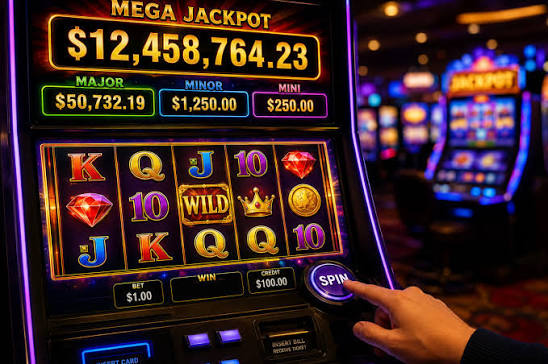
“Jackpot” is a compact word that can hide several different mechanisms. A fixed top prize remains set by the game rules under the relevant conditions. A progressive prize can grow as qualifying play contributes to a pool and may reset after it is won. Neither label tells a reader when a prize will occur, whether a particular player is eligible, or whether the featured amount is available in their location. For a news audience, those unanswered questions belong near the top of any story about a striking jackpot figure.
Define the prize before repeating the amount
An advertised jackpot number may be a current pool, a theoretical maximum, or an example in promotional artwork. Confirm which it is. Ask whether the amount is guaranteed, capped, shared across several games, or dependent on a particular stake. A prize that grows across a network can change between the moment a reporter sees it and the moment a reader opens the page. If a number is time-sensitive, date the observation and avoid framing it as permanently available.
The eligibility rules matter as much as the headline amount. Some features are accessible only at particular stakes or under specific conditions; others are triggered differently. The correct answer comes from the exact game’s published rules. A story that says “play to win the jackpot” without describing the required conditions is incomplete. A responsible explainer can describe the structure without telling a reader to chase it.
Fixed does not mean frequent
A fixed jackpot can be easier to describe because its advertised top amount is not continually moving. That simplicity does not imply a high probability of winning it. Readers may see the same amount in every screenshot and assume that consistency makes the prize approachable. In reality, the chance of a top result is a separate feature of the game. Unless the probability is documented for the specific product, do not invent a rate or infer one from a few observations.
A fixed prize may also depend on line configuration, stake, or bonus conditions. The word “fixed” refers to the prize amount under its stated rule, not to universal access under every play setting. If the game has several top prizes, distinguish them instead of collapsing them into a single headline. A table from the official pay information is more informative than a celebratory image.
Progressive does not mean “due”
A progressive pool can be especially persuasive because the displayed amount visibly increases. That movement represents the prize pool, not necessarily a rising chance that the next action will trigger it. The trigger rules must be checked independently. A larger number may attract more attention and more players, which can make anecdotes about a coming win seem plausible, but the pool display alone does not establish a forecast.
People often mistake the growth of the amount for the growth of their personal opportunity. This is a version of a broader statistical error: confusing a variable you can see with a probability you have not measured. A news story should keep the two separate. If the operator publishes a precise trigger rule, quote it accurately and state any conditions. If not, avoid claims about “the best time” to play.
RTP and jackpot size answer different questions
Return to player is a long-run theoretical measure for a game under specified conditions. A jackpot amount is the size of one possible prize. These numbers are related through a game’s mathematics but are not interchangeable. A large top prize can coexist with long stretches without a top win; a familiar RTP number does not tell a reader when that prize will land. The UK Gambling Commission’s RTP guidance cautions that short individual sessions can vary significantly from the long-run figure.
Volatility is also relevant. A game concentrating more of its returns in rare prizes will feel different from one with smaller, more frequent returns, even if both advertise similar long-run percentages. That is a descriptive point about the distribution of outcomes, not a recommendation to select one. The immediate consumer question remains whether the amount a person risks is genuinely discretionary.
Search terms are not jackpot evidence
The phrase toto slot can appear as an anchor in a guest-post assignment. Its linked destination must be assessed for its own content; the phrase cannot establish that a jackpot exists or that a particular service runs it. A reader should look for a named game, version, current rules, and operator information before attaching a prize claim to any page. A keyword without those details is not an evidentiary source.
The same is true of raja slot. It may help someone find a page, but it does not identify the current jackpot pool, make a regulatory claim true, or guarantee eligibility. When an article contains paid or required links, editors should keep the evidentiary citations separate from them. The placement of a link should not make an unrelated destination appear to verify a headline.
What a good jackpot report includes
A useful report identifies the game and operator, the type of jackpot, the time and location of the advertised amount, the trigger conditions that can be verified, and the source for each fact. It labels promotional images as promotional. It asks whether the amount is before taxes or other applicable deductions where those details are relevant and documented. It does not conflate a single winner’s story with a typical outcome.
It also explains the limit of what can be known. A reporter may be able to confirm that a progressive pool displayed a figure at a particular time but not independently verify every underlying transaction. That uncertainty should be stated plainly. Accuracy is often less dramatic than a giant-number headline, yet it gives readers a usable framework for understanding the claim.
An editor should also inspect how a story uses the word “winner.” A person may receive a prize but have spent substantial money across earlier sessions; the prize record alone cannot establish a net lifetime gain. A human-interest interview can still describe excitement, but it should not turn one event into a general promise. Ask whether the amount was paid as a lump sum, credited to an account, or subject to verification, and only report details that the participant or operator can substantiate. If the person does not want their identity public, do not imply that anonymity makes the prize suspicious; privacy and proof are separate questions. The responsible headline is precise about what happened and restrained about what readers should infer.
That approach leaves room for genuine news without advertising certainty or ignoring risk.
Frequently asked questions
Is a progressive jackpot more likely to hit when the amount is large?
A larger displayed pool alone does not establish that the next outcome is more likely to trigger it. Consult the exact game rules rather than inferring probability from the prize amount.
Does a fixed jackpot stay the same in every setting?
Not necessarily. Check the published conditions, including stake and game version, before assuming the displayed amount applies universally.
Can RTP tell me when a jackpot will occur?
No. RTP is a long-run theoretical figure, not a timetable for a particular prize or session.

Leave a Reply