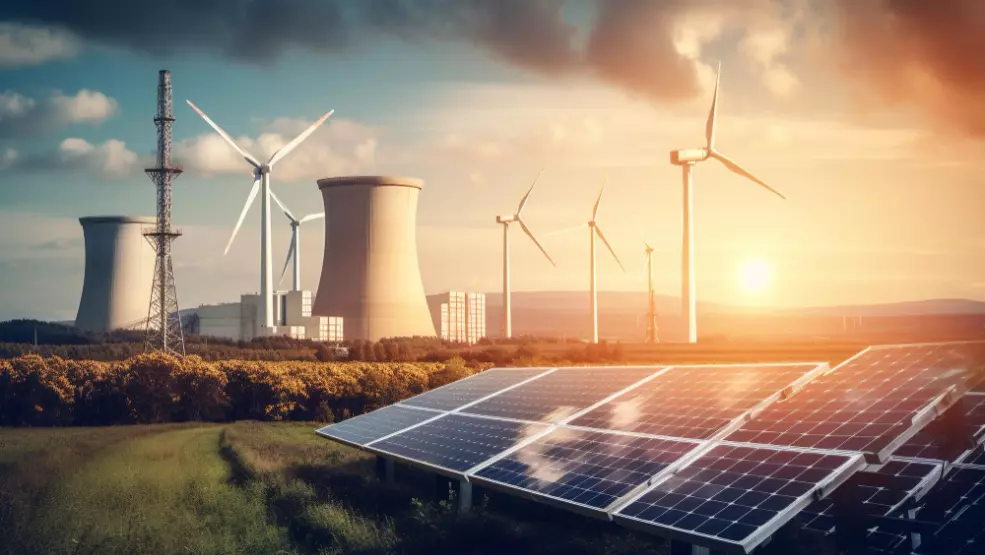
The global power industry is undergoing a historic transformation. At the center of this shift are two powerful forces: Artificial Intelligence (AI) and sustainable energy systems. Together, they are reshaping how electricity is generated, distributed, and consumed. What was once a traditional, centralized, and fossil-fuel-dependent sector is rapidly evolving into a smart, decentralized, and low-carbon energy ecosystem.
This transformation is not just technological—it is structural, economic, and environmental. As global energy demand rises—driven by electric vehicles, data centers, and industrial expansion—AI is becoming the backbone that ensures renewable energy systems remain reliable, efficient, and scalable.
The Rising Importance of AI in the Power Sector
The energy sector has always relied on data, but AI takes this to a completely new level. With machine learning, predictive analytics, and real-time optimization, AI can process massive datasets from smart meters, satellites, and sensors to improve decision-making across the grid.
Modern power systems now depend on AI-driven intelligence for:
- Demand forecasting
- Grid balancing
- Fault detection
- Energy optimization
- Predictive maintenance
For example, AI systems can predict electricity demand hours or even days in advance, allowing utilities to adjust supply and avoid blackouts. According to recent studies, AI-based systems can reduce energy outages and improve operational efficiency by up to 40% in some grid applications.
This level of precision was impossible in traditional energy systems.
How Sustainable Energy Is Reshaping Global Power Systems
The shift toward sustainable energy sources—solar, wind, hydro, and green hydrogen—is accelerating globally. Governments and corporations are investing heavily in renewable infrastructure to meet net-zero targets.
However, renewable energy comes with a challenge: intermittency. Solar panels do not produce energy at night, and wind turbines depend on weather conditions. This is where AI becomes essential.
AI helps stabilize renewable energy by:
- Predicting solar and wind output
- Managing energy storage systems
- Optimizing energy distribution
- Reducing wastage during peak generation
Recent research highlights that AI significantly enhances forecasting accuracy and operational reliability in renewable systems, making clean energy more dependable for large-scale grids.
Smart Grids: The Digital Backbone of Modern Energy
One of the most important innovations in the energy sector is the development of smart grids. These are digitally enabled electricity networks that use AI and IoT to manage energy flow in real time.
Unlike traditional grids, smart grids are:
- Self-regulating
- Data-driven
- Highly efficient
- Decentralized
AI plays a crucial role in optimizing energy distribution by balancing supply and demand dynamically. It ensures that excess renewable energy is stored or redirected efficiently rather than wasted.
In fact, experts describe AI as the “brain” of the smart grid, enabling real-time coordination between millions of connected devices.
AI-Powered Renewable Energy Forecasting
One of the most impactful applications of AI in sustainable energy is energy forecasting. Accurate prediction of energy generation is critical for grid stability.
AI models analyze:
- Weather patterns
- Satellite imagery
- Historical production data
- Atmospheric conditions
This allows utilities to predict renewable energy output with extremely high accuracy. Some systems now achieve forecasting precision above 95%, reducing uncertainty in grid operations and improving reliability.
This capability ensures that renewable energy can be integrated into national grids without instability or disruption.
Energy Storage Optimization Using AI
Energy storage is another critical pillar of the sustainable energy transition. Batteries and storage systems allow excess renewable energy to be saved for later use.
AI enhances storage systems by:
- Predicting peak demand periods
- Managing charging and discharging cycles
- Extending battery lifespan
- Reducing operational costs
With AI optimization, energy storage systems become more efficient and economically viable, supporting long-term renewable energy adoption.
AI and the Decarbonization of Power Systems
One of the biggest goals of the global energy sector is decarbonization. AI is playing a key role in reducing carbon emissions by improving system efficiency and integrating clean energy sources.
AI contributes to decarbonization by:
- Reducing fossil fuel dependency
- Optimizing renewable integration
- Minimizing transmission losses
- Enhancing energy efficiency in industrial systems
A growing body of research shows that AI is essential for building low-carbon energy networks, where clean electricity and digital intelligence work together.
The Rise of AI-Driven Energy Demand
Interestingly, AI is not only transforming energy—it is also increasing energy demand. Massive AI data centers require enormous amounts of electricity to operate.
This has created a new challenge: balancing AI growth with sustainable energy supply.
Tech companies are now investing in:
- Solar-powered data centers
- Nuclear energy partnerships
- Offshore renewable platforms
- Long-duration energy storage systems
Recent developments even include experimental projects like space-based solar energy systems designed to power AI infrastructure sustainably.
This shows how deeply AI and energy systems are now interconnected.
Top Google Searches Related to AI and Sustainable Energy
Here are some of the most searched topics globally related to this transformation:
- AI in renewable energy systems
- How AI improves smart grid efficiency
- AI-powered solar energy forecasting
- Role of AI in reducing carbon emissions
- Machine learning in wind energy optimization
- Future of AI in power generation
- AI energy management systems
- Smart grids and artificial intelligence integration
- Sustainable energy solutions using AI
- AI and climate change mitigation technologies
These search trends reflect growing global interest in the fusion of AI and clean energy technologies.
Challenges in AI and Sustainable Energy Integration
Despite rapid progress, several challenges remain:
1. High Implementation Costs
AI systems require advanced infrastructure and skilled professionals.
2. Data Complexity
Energy systems generate massive and complex datasets that require advanced processing capabilities.
3. Cybersecurity Risks
Smart grids and AI systems must be protected from cyber threats.
4. Model Transparency
Many AI systems function as “black boxes,” making decision processes difficult to interpret.
Addressing these challenges is essential for large-scale adoption.
Future of AI in the Global Power Sector
The future of energy is intelligent, decentralized, and fully automated. AI will continue to evolve from a support tool into a central decision-maker in energy systems.
Future developments may include:
- Fully autonomous smart grids
- AI-managed renewable microgrids
- Self-healing energy networks
- Predictive global energy balancing systems
- Integration of AI with space-based renewable energy
According to industry experts, AI will be the foundation of next-generation carbon-neutral power systems.
Conclusion
The combination of Artificial Intelligence and sustainable energy is revolutionizing the global power sector. From smart grids to predictive forecasting and renewable optimization, AI is enabling a cleaner, smarter, and more resilient energy future.
At the same time, the growing demand from AI itself is pushing innovation in sustainable energy infrastructure, creating a powerful cycle of technological advancement.
The world is no longer moving toward digital energy transformation—it is already living it. The synergy between AI and sustainable energy is not just shaping the future of power; it is defining the future of civilization itself.
FAQs
1. How does AI help in sustainable energy systems?
AI improves forecasting, optimizes energy distribution, and enhances renewable energy integration into power grids.
2. Why is AI important for renewable energy?
Because renewable energy is variable, AI ensures stability by predicting output and balancing supply and demand.
3. What are smart grids in AI energy systems?
Smart grids are digital electricity networks that use AI to manage energy flow in real time efficiently.
4. Can AI reduce carbon emissions?
Yes, AI reduces emissions by improving efficiency and increasing the use of clean energy sources.
5. What is the future of AI in the energy sector?
AI will enable fully automated, self-regulating, and carbon-neutral global energy systems.


Leave a Reply