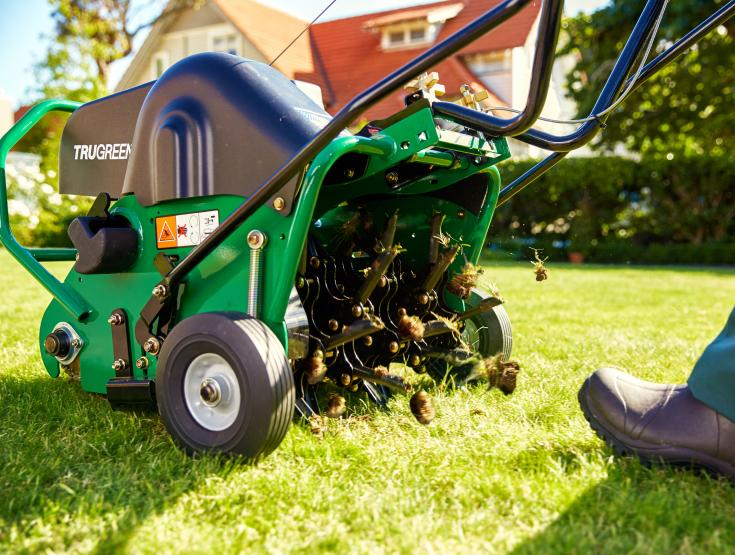
A healthy, green lawn can significantly improve the appearance and value of any property. However, maintaining beautiful grass requires more than regular watering and mowing. Over time, soil can become compacted, making it difficult for water, air, and nutrients to reach the roots of the grass. This is where <a href=”#”>lawn aeration Minneapolis</a> becomes an important part of proper lawn care.
What Is Lawn Aeration?
Lawn aeration is the process of creating small holes in the soil to allow essential resources such as air, water, and nutrients to penetrate deeper into the ground. This process helps reduce soil compaction and gives grass roots more space to grow.
Core aeration is one of the most common methods. A specialized machine removes small plugs of soil and grass from the lawn. These openings improve soil structure and encourage stronger root development. Over time, the soil plugs naturally break down and return nutrients to the lawn.
Why Soil Compaction Is a Problem
Soil compaction often develops naturally due to foot traffic, lawn equipment, weather conditions, and regular use of outdoor spaces. When soil becomes too dense, grass roots struggle to receive the oxygen and moisture they need.
Compacted soil can also cause water to remain on the surface rather than soaking into the ground. This may lead to poor drainage and weak grass growth. Aeration helps solve these problems by loosening the soil and improving water absorption.
For homeowners looking to maintain healthy outdoor spaces, lawn aeration Minneapolis can be especially beneficial as part of a regular seasonal lawn care routine.
Benefits of Aerating Your Lawn
One of the biggest benefits of lawn aeration is stronger root growth. When roots have better access to oxygen, water, and nutrients, they can grow deeper into the soil. Stronger roots create healthier grass that is more resistant to drought and changing weather conditions.
Aeration also improves the effectiveness of fertilizers and watering. Instead of remaining near the surface, nutrients and water can reach deeper into the root zone. This helps lawns grow thicker and greener.
Another benefit is reduced thatch buildup. Thatch is a layer of dead grass, roots, and organic material that can accumulate between the grass and soil. Too much thatch can block water and nutrients. Aeration helps improve the natural breakdown of organic materials and supports healthier soil.
When Should You Aerate a Lawn?
The best time to aerate depends on the type of grass and local climate conditions. Generally, aeration is most effective when grass is actively growing and can recover quickly afterward.
Cool-season grasses are often aerated during the fall or spring, while warm-season grasses may benefit from aeration during late spring or early summer. It is important to avoid aerating during periods of extreme heat or drought because the lawn may struggle to recover.
Combining Aeration With Other Lawn Care Practices
Aeration works especially well when combined with other lawn care activities. Many homeowners choose to overseed their lawns after aeration because the openings in the soil create a better environment for new seeds to establish roots.
Proper watering, mowing, and fertilization should also continue after aeration. Together, these practices create healthier soil and support consistent grass growth throughout the year.
Conclusion
A beautiful lawn starts with healthy soil and strong roots. Regular lawn aeration Minneapolis can improve soil conditions, increase nutrient absorption, and encourage thicker, greener grass. By including aeration as part of a complete lawn care routine, homeowners can create an outdoor space that looks attractive, remains resilient, and provides lasting enjoyment throughout the seasons.

Leave a Reply