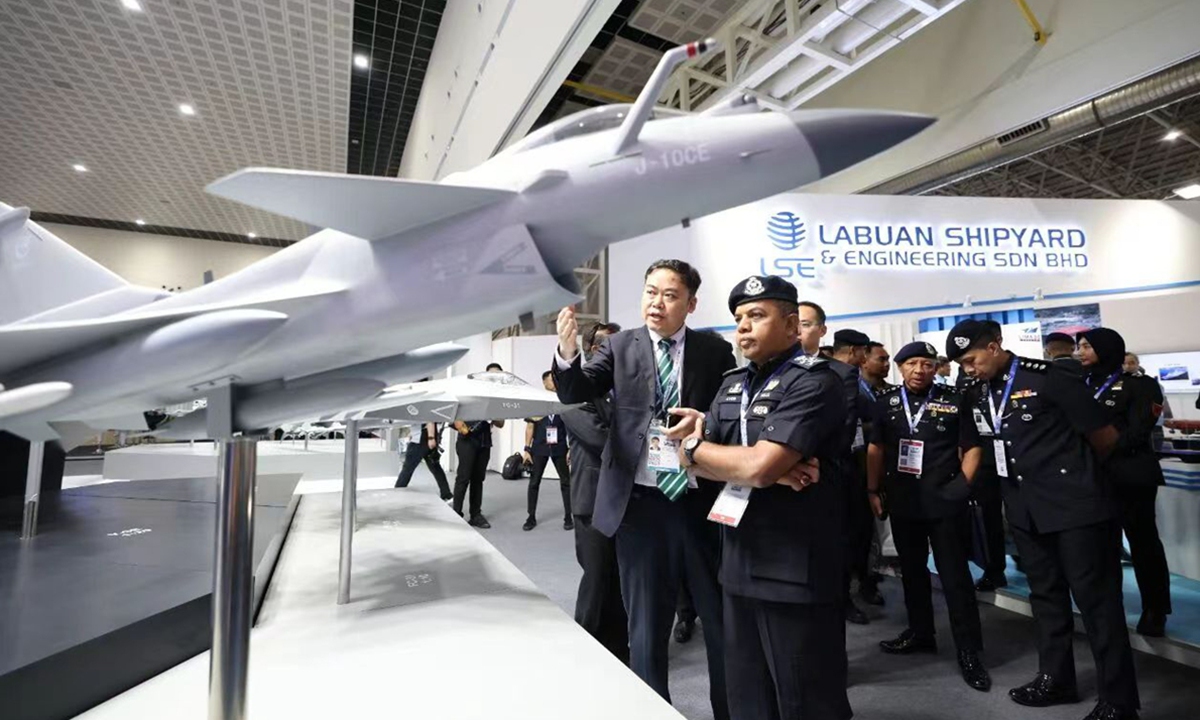
The Bangladesh China fighter jet deal has become one of the most closely watched defence developments in South Asia. Bangladesh is moving forward with plans to acquire Chinese J-10CE multirole fighter aircraft as part of a broader effort to modernize the Bangladesh Air Force.
Recent reports indicate that Dhaka has prepared a draft agreement for negotiations with China. While earlier reports mentioned a possible purchase of as many as 24 aircraft, the latest reporting points to a proposed acquisition of 20 J-10CE fighters, with an estimated package value of around $2.3 billion. The exact quantity, price, delivery schedule and final terms, however, remain subject to the procurement and approval process.
What Is the Bangladesh-China Fighter Jet Deal?
In simple terms, Bangladesh is seeking to purchase China’s Chengdu J-10CE, the export version of the J-10C multirole fighter.
Bangladesh’s government has moved beyond speculation by preparing a draft proposal for the procurement. According to reports, the proposal has been submitted to relevant Bangladeshi authorities, including the Ministry of Finance and Armed Forces Division, for approval and budget allocation. If funding is approved, the procurement could move ahead during the current fiscal cycle or be carried into the following budget.
The reported package is broader than simply buying aircraft. Associated expenses can include training, technical support, logistics, infrastructure, freight, insurance and other requirements needed to introduce a new fighter type into service.
How Many J-10CE Fighter Jets Will Bangladesh Buy?
This is one area where readers should be careful with headlines.
Earlier reports suggested Bangladesh was considering up to 24 J-10CE fighters. More recent reporting, including details attributed to an Armed Forces Division assessment, puts the proposed purchase at 20 aircraft. The reported package is valued at approximately $2.302 billion.
That means the commonly reported figure of about $115 million per aircraft is not necessarily the aircraft’s bare purchase price. The overall figure reportedly includes training, infrastructure, logistics, technical assistance and other costs.
The final contract could therefore differ from the currently reported figures.
Why Does Bangladesh Want the J-10CE?
The main reason is modernization.
Bangladesh operates a mixed fleet of older and newer combat aircraft, and replacing aging fighters is an important part of maintaining an effective air force. The J-10CE offers Bangladesh a modern multirole platform without requiring the much larger financial and logistical commitment associated with some Western heavy fighter programs.
The aircraft is designed for air-to-air and air-to-ground missions and features modern avionics. China’s Ministry of National Defense describes the J-10CE as an all-weather, single-engine, single-seat multirole fighter capable of supersonic flight, beyond-visual-range engagements and precision attacks against ground targets.
J-10CE Features and Capabilities
The J-10CE is derived from China’s J-10C and is generally described as a 4.5-generation fighter.
One of its most important features is its modern radar and sensor package. The J-10C family uses an active electronically scanned array (AESA) radar, while the aircraft also incorporates systems such as infrared search and track and electronic warfare equipment.
The fighter can also use China’s modern air-to-air missile family. The PL-15E, an export version of the PL-15, is designed for beyond-visual-range air combat. The International Institute for Strategic Studies has reported that the PL-15E was being offered for export on aircraft including the J-10CE.
These capabilities are important because modern air combat is increasingly based on detecting, tracking and engaging targets at long distances rather than relying only on close-range dogfights.
Did the 2025 India-Pakistan Conflict Influence Bangladesh?
Yes, this appears to be an important factor behind the renewed interest.
Bangladeshi officials have reportedly said that Dhaka paid close attention to the May 2025 India-Pakistan conflict and the reported performance of Pakistani J-10CE fighters. Chinese military sources have also publicly described the J-10CE as having achieved combat results during the 2025 fighting.
However, claims about individual aircraft kills during the conflict remain politically and technically contested, so they should not automatically be treated as independently verified proof that the J-10CE is superior to every competing fighter.
What is clear is that the conflict gave the aircraft considerably more international attention and provided potential customers with real-world operational data to examine.
Why Is China Important to Bangladesh’s Air Force?
China is already a major defence supplier to Bangladesh. Over the years, Beijing has supplied Dhaka with various categories of military equipment, including combat aircraft, naval equipment, tanks and missile systems.
This existing relationship can make the introduction of another Chinese aircraft easier because Bangladesh already has experience operating Chinese military hardware and maintaining defence cooperation with Beijing.
The relationship is also expanding beyond conventional weapons. In January 2026, Bangladesh’s Inter-Services Public Relations organization announced a government-to-government agreement with China’s CETC International involving the establishment of a UAV manufacturing and assembly plant and technology transfer.
That suggests the fighter proposal is part of a wider defence-industrial relationship rather than an isolated aircraft purchase.
How Much Will the Bangladesh J-10CE Deal Cost?
The most frequently reported figure is approximately $2.302 billion for 20 aircraft and associated requirements. A Bangladeshi report based on an Armed Forces Division document said the aircraft’s base price was about $62.7 million each, while the effective package cost rises considerably after adding training, logistics, infrastructure and other expenses.
This distinction is important when comparing the J-10CE with other fighter jets. A fighter’s advertised unit price does not necessarily represent the total cost of establishing an operational squadron.
The final financial figure could change once negotiations are completed.
What Does the Deal Mean for Bangladesh?
For Bangladesh, the proposed purchase could represent a significant upgrade in air-combat capability.
The J-10CE would provide a modern platform with AESA radar, modern missile integration, electronic warfare capabilities and multirole functionality. It could also improve Bangladesh’s ability to conduct beyond-visual-range air operations.
But buying a fighter is only one part of modernization. Bangladesh would also need trained pilots, maintenance personnel, spare parts, weapons, simulators, infrastructure and an effective command-and-control network to get the maximum value from the aircraft.
Does the Deal Change the Regional Balance?
Potentially, but its impact should not be exaggerated.
Twenty modern fighters would improve Bangladesh’s capabilities, but they would not transform the country’s air force into a dominant regional power. The aircraft would operate alongside Bangladesh’s existing fighters, air-defence systems, radars and other military assets.
The purchase could nevertheless attract attention in India because Bangladesh and China have been strengthening defence cooperation. Regional analysts are therefore watching the procurement not only as an aviation story but also as part of the broader strategic relationship between Dhaka and Beijing.
Bangladesh China Fighter Jet Deal: What Happens Next?
The immediate question is whether the proposed agreement receives the necessary financial and governmental approvals.
After approval, negotiations would need to establish the final number of aircraft, configuration, weapons, training package, delivery timetable, maintenance arrangements and payment schedule.
For now, 20 J-10CE fighters and a package worth roughly $2.3 billion are the most widely reported figures, but readers should distinguish these reported figures from a fully finalized and executed contract.
The deal therefore represents an important step toward Bangladesh Air Force modernization, but the final procurement details may still evolve.
Top Google Searches Related to Bangladesh China Fighter Jet Deal Explained
People searching for this topic are also likely to use queries such as:
- Bangladesh China fighter jet deal explained
- Bangladesh J-10CE fighter jet deal
- Bangladesh buying J-10CE from China
- Bangladesh China J-10CE deal 2026
- Bangladesh fighter jet deal with China
- Bangladesh J-10CE price
- How many J-10CE jets will Bangladesh buy?
- Bangladesh J-10CE fighter jet cost
- J-10CE fighter jet Bangladesh
- Bangladesh Air Force new fighter jets
- China J-10CE Bangladesh deal
- Bangladesh J-10CE vs Rafale
- J-10CE specifications and capabilities
- Bangladesh China defence deal
- Why is Bangladesh buying J-10CE?
- Bangladesh fighter aircraft modernization
- J-10CE PL-15 missile Bangladesh
- Bangladesh Air Force J-10CE purchase
- China fighter jet deal Bangladesh 2026
- Bangladesh J-10CE deal latest news
FAQ: Bangladesh China Fighter Jet Deal Explained
1. What fighter jet is Bangladesh buying from China?
Bangladesh is pursuing the Chengdu J-10CE, China’s export version of the J-10C multirole fighter. The aircraft is designed for both air-to-air and air-to-ground missions and incorporates modern radar, avionics and weapons capabilities.
2. How many J-10CE jets is Bangladesh planning to buy?
The latest reported proposal is for 20 J-10CE fighters. Earlier reports suggested a possible purchase of up to 24 aircraft, which is why different numbers appear in online coverage. The final number depends on the completed procurement agreement.
3. How much is the Bangladesh J-10CE deal worth?
The currently reported package is worth approximately $2.302 billion. This figure reportedly includes more than the aircraft themselves, covering areas such as training, logistics, technical assistance and infrastructure.
4. Is the J-10CE a fifth-generation fighter?
No. The J-10CE is generally categorized as a 4.5-generation fighter, rather than a fifth-generation stealth aircraft. Its strengths include modern sensors, avionics, electronic warfare capabilities and beyond-visual-range weapons.
5. Why did Bangladesh choose the J-10CE?
Bangladesh is seeking to modernize its air force, and the J-10CE provides a modern multirole capability while fitting into Bangladesh’s longstanding defence relationship with China. Its reported performance during the 2025 India-Pakistan conflict also appears to have influenced Bangladeshi interest.
6. Does Bangladesh already operate Chinese fighter jets?
Yes. China has been a major supplier of military equipment to Bangladesh, including combat aircraft and other defence systems. This existing relationship provides Bangladesh with experience operating Chinese-origin equipment.
7. Is the Bangladesh-China fighter jet deal finalized?
The procurement has moved into an advanced proposal and negotiation stage, but readers should be cautious about describing every reported detail as a completed contract. Final aircraft numbers, costs, delivery dates and other terms can change during negotiations and approvals.
8. What missiles can the J-10CE use?
The J-10C family is associated with Chinese air-to-air missiles including the PL-15/PL-15E for beyond-visual-range engagements and the PL-10 family for shorter-range combat. China’s own military publications highlight the aircraft’s integration with these modern weapons.
9. Will the J-10CE make Bangladesh stronger militarily?
It could significantly strengthen Bangladesh’s air-combat capabilities, particularly in areas such as modern radar, beyond-visual-range engagement and multirole operations. However, the overall effectiveness of the purchase will depend on training, weapons stocks, maintenance, air-defence integration and supporting infrastructure.
10. What is the biggest significance of the Bangladesh China fighter jet deal?
Beyond the aircraft themselves, the deal could deepen Bangladesh’s long-term defence relationship with China. It also reflects Dhaka’s effort to modernize its air force and diversify its access to modern military technology while building on an already established Chinese defence-supply relationship.


Leave a Reply