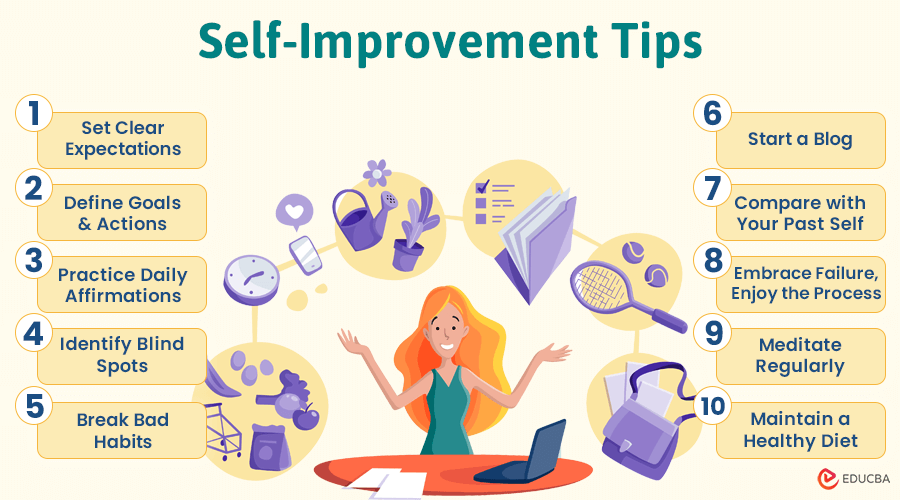
In today’s competitive world, students in India face constant pressure from academics, entrance exams, social expectations, and career uncertainty. Whether you are preparing for CBSE board exams, JEE, NEET, UPSC, or college placements, self-improvement is no longer optional — it is essential.
Self-improvement helps students build confidence, improve focus, manage stress, and create a balanced life. The good news is that you do not need to completely change your life overnight. Small daily habits can create massive long-term results.
This guide covers practical and realistic self improvement tips for students in India that can help improve studies, productivity, personality, mental health, and overall growth.
Why Self Improvement Matters for Indian Students
Indian students often deal with intense academic competition and high expectations. According to search trends and education reports, students in India are increasingly searching for better study habits, productivity tips, and career guidance online.
Self-improvement is important because it helps students:
- Build discipline and consistency
- Improve concentration and memory
- Develop communication skills
- Reduce stress and anxiety
- Increase confidence
- Achieve academic and career goals
- Maintain physical and mental health
Students who focus on self-growth often perform better not just in exams but also in real life.
1. Create a Daily Routine
A proper routine is the foundation of self-improvement. Students who follow a fixed schedule usually waste less time and feel more organized.
Your daily routine should include:
- Study hours
- Exercise
- Sleep
- Breaks
- Revision time
- Family or relaxation time
Start by waking up and sleeping at the same time every day. Even simple consistency can improve productivity.
Many students online also mention that structured weekly routines help them stay focused and reduce stress.
2. Improve Time Management Skills
One of the biggest problems students face is poor time management. Scrolling social media for hours can destroy focus and productivity.
Use these time management techniques:
- Make a to-do list every night
- Use the Pomodoro technique (25-minute study sessions)
- Set priorities for important subjects
- Avoid multitasking
- Track your daily progress
Students preparing for competitive exams like JEE or UPSC especially benefit from proper time planning.
3. Focus on Physical Health
A healthy body supports a healthy mind. Unfortunately, many students ignore fitness during exams.
Simple health habits can improve concentration and energy levels:
- Drink enough water
- Exercise for at least 30 minutes daily
- Eat healthy homemade food
- Reduce junk food and sugary drinks
- Get proper sleep
Fitness activities like walking, cycling, yoga, and stretching can improve mood and reduce stress naturally.
Many Indian students discussing self-improvement online also highlight the importance of exercise, healthy eating, and proper sleep.
4. Build Better Study Habits
Studying for long hours without strategy is ineffective. Smart studying matters more than endless studying.
Here are some effective study habits:
- Study in a distraction-free environment
- Revise regularly
- Practice active recall
- Make short notes
- Solve mock tests and previous papers
- Teach concepts to someone else
Research and study trend data also show increasing student interest in effective learning strategies and motivation techniques.
5. Reduce Mobile Phone Addiction
Smartphones are one of the biggest distractions for students today.
To improve focus:
- Turn off unnecessary notifications
- Use app blockers while studying
- Keep your phone away during study sessions
- Limit social media usage
- Follow digital detox routines
Many students preparing for exams lose hours every day because of short-form content and constant scrolling. Reducing screen time can instantly improve productivity.
6. Learn Communication Skills
Good communication skills are extremely important for future success. Students who can speak confidently often perform better in interviews, presentations, and networking opportunities.
Improve communication by:
- Reading books daily
- Practicing spoken English
- Joining discussions or debates
- Watching educational content
- Improving vocabulary
Communication skills are especially important for college students and job seekers in India.
7. Practice Self-Discipline
Self-discipline is the ability to do what is necessary even when you do not feel motivated.
Ways to build discipline:
- Avoid procrastination
- Complete small tasks on time
- Stay committed to routines
- Set realistic goals
- Reward yourself after achievements
Successful students focus on consistency rather than motivation.
8. Develop a Positive Mindset
Negative thinking reduces confidence and productivity. Positive thinking helps students handle failures and challenges better.
Practice positivity through:
- Gratitude journaling
- Positive self-talk
- Avoiding toxic comparisons
- Spending time with supportive people
- Learning from mistakes
Online self-improvement communities also emphasize the importance of self-awareness, emotional balance, and positive thinking habits.
9. Read Books for Personal Growth
Books can completely change your mindset and habits.
Some popular self-improvement books for students include:
- Atomic Habits
- The Power of Now
- Rich Dad Poor Dad
- Deep Work
- Think and Grow Rich
Reading daily improves focus, knowledge, communication, and creativity.
10. Set Clear Goals
Students without goals often feel confused and unmotivated.
Create:
- Short-term goals
- Academic goals
- Fitness goals
- Career goals
- Skill development goals
Write your goals down and track your progress weekly.
Clear goals provide direction and motivation.
Top Google Searches Related to Self Improvement Tips for Students India
Here are some trending and highly searched keywords related to student self-improvement in India:
- self improvement tips for students india
- study tips for students
- how to improve concentration in studies
- personality development for students
- daily routine for students
- motivation tips for students
- self discipline for students
- time management tips for students
- productive habits for students
- how to avoid procrastination
- healthy lifestyle for students
- student productivity tips
- mental health tips for students
- exam preparation strategies
- communication skills for students
These search trends show that Indian students are actively looking for ways to improve academics, lifestyle, and personal growth.
Common Mistakes Students Should Avoid
Students often slow down their self-improvement journey by making these mistakes:
- Comparing themselves with others
- Studying without breaks
- Ignoring sleep
- Overusing social media
- Depending only on motivation
- Skipping physical activity
- Lack of consistency
Avoiding these habits can improve both academic and mental performance.
Conclusion
Self-improvement is a lifelong process that helps students become more disciplined, confident, productive, and successful. Indian students face unique academic and social pressures, but small daily improvements can create major long-term success.
You do not need to become perfect overnight. Start with one habit at a time. Build routines, improve your health, manage your time wisely, and stay consistent.
Remember, success is not about studying 18 hours a day. It is about becoming a better version of yourself every single day.
FAQ Section
What are the best self improvement tips for students in India?
The best self-improvement tips include maintaining a proper routine, improving study habits, exercising regularly, reducing phone addiction, practicing discipline, and focusing on mental health. Consistency is the key to long-term success.
How can students improve focus while studying?
Students can improve focus by studying in a quiet place, using time management techniques, limiting social media use, taking short breaks, and getting enough sleep. Active revision methods also improve concentration.
Why is self-improvement important for students?
Self-improvement helps students become more productive, confident, disciplined, and mentally strong. It also improves academic performance and prepares students for future careers and life challenges.
How can Indian students avoid procrastination?
Students can avoid procrastination by breaking tasks into smaller steps, creating schedules, setting deadlines, and avoiding distractions like mobile phones. Starting with small actions builds momentum.
What are the best habits successful students follow?
Successful students usually follow fixed routines, revise regularly, exercise, read books, manage time wisely, and maintain discipline. They focus on consistency rather than temporary motivation.
Can self-improvement help in competitive exam preparation?
Yes, self-improvement plays a huge role in exams like JEE, NEET, UPSC, and SSC. Better habits, discipline, stress management, and focus directly improve exam preparation and performance.


Leave a Reply