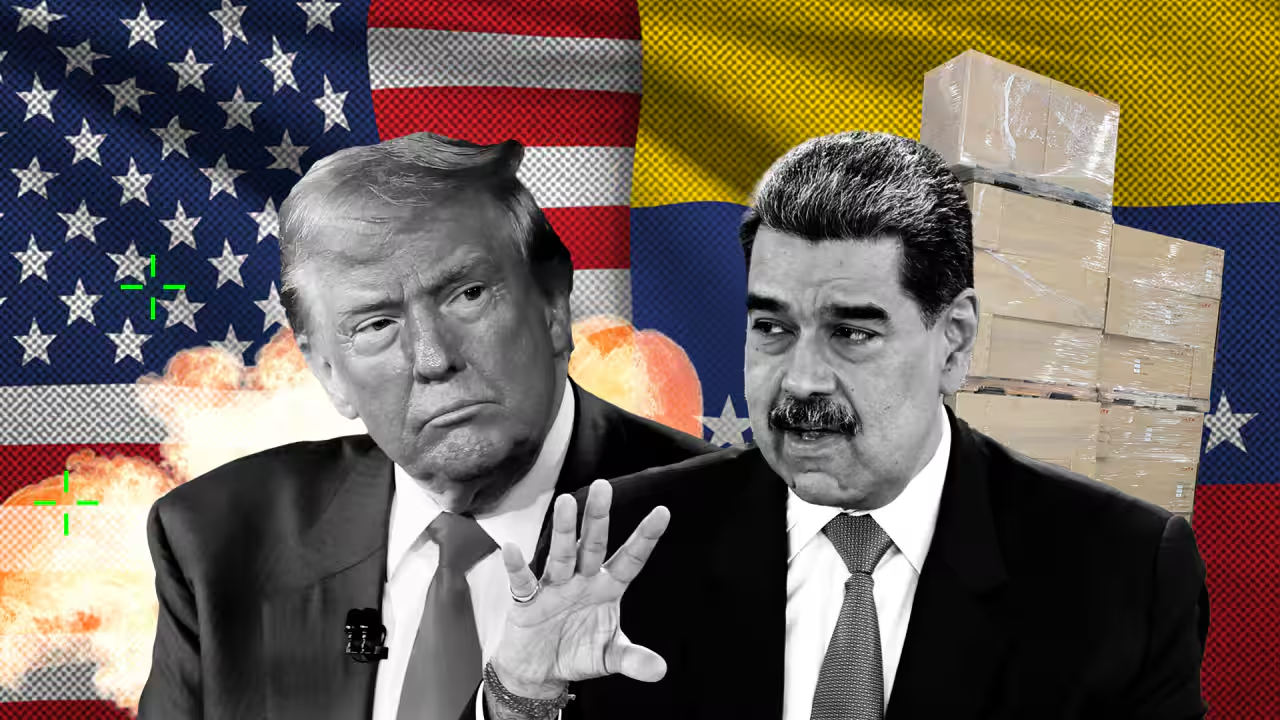
In early 2026, the United States completed its first sale of Venezuelan oil under a new agreement with Venezuela, marking a major shift in US sells Venezuelan oil relations and global energy markets. This development came after the removal of Venezuela’s longtime leader, Nicolás Maduro, and reflects Washington’s strategy to use Caracas’s huge oil reserves for economic, political, and strategic gains. With initial sales already underway and more planned, this move has drawn global attention, praise, and criticism alike.
US-Venezuela Oil Deal Explained
Historic First Sale
In mid-January 2026, an official from the U.S. government confirmed that the first sale of Venezuelan crude oil had been finalized. The deal amounted to about $500 million worth of oil and was the first major transaction since Venezuela’s political transition earlier in the month.
How the Deal Works
Under the terms of the agreement, Venezuela is expected to provide between 30 million and 50 million barrels of oil, which will be refined and sold by U.S. entities. The proceeds from these sales are being placed into accounts controlled by the U.S. government, with one main account reported in Qatar to ensure neutral and secure handling. More sales are expected in the coming days and weeks as part of this multi-billion-dollar energy arrangement.
Why This Matters
Shift in Global Oil Trade
Venezuela holds some of the largest proven oil reserves in the world, but its production and exports declined drastically over recent years due to underinvestment and sanctions. Allowing the U.S. to sell its oil represents a significant shift in how Venezuelan energy resources are managed and traded internationally.
Political and Economic Impacts
This deal comes after the ouster of Nicolás Maduro and the installation of an interim government. U.S. leadership says the oil sale will benefit both American and Venezuelan people, supporting economic stability and infrastructure rebuilding. Proceeds are being managed with oversight to avoid seizure while funds are used for projects in Venezuela and possibly broader regional support.
Investment Opportunities and Risks
Washington has encouraged major energy companies to invest in Venezuela’s ailing oil industry. While some executives see potential, others remain cautious due to legal, security, and economic uncertainties. Efforts are underway to expand licenses and attract investment from U.S. and foreign firms to revive long-neglected infrastructure.
Reactions to the Oil Sale
Supporters’ View
Proponents of the oil sale argue it brings long-stalled Venezuelan energy resources back into global markets and creates opportunities for economic recovery and job creation. They also emphasize potential benefits from expanded U.S. energy production and export volumes.
Critics’ Concerns
Critics say the arrangement could undermine Venezuelan sovereignty and questions remain about rightful ownership of the oil and revenue. Some analysts also warn that placing proceeds under U.S. control could set controversial precedents in international law and resource management. Environmental groups have further expressed worries about increased fossil fuel extraction at a time when climate goals are under pressure.
Frequently Asked Questions (FAQs)
What was the first Venezuelan oil sale by the U.S.?
The U.S. completed its first sale of Venezuelan oil in January 2026, valued at about $500 million, as part of a larger agreement between Washington and Caracas.
How much oil is Venezuela expected to sell to the U.S.?
Officials say Venezuela could supply 30 million to 50 million barrels of oil to the United States under the current plan.
Where are the oil sale revenues held?
Proceeds from the initial sale are held in accounts controlled by the U.S. government, including at least one in Qatar, to ensure secure handling and oversight.
Will this deal benefit Venezuelans?
U.S. officials state that proceeds will support economic projects in Venezuela and help stabilize the nation’s oil infrastructure, though critics argue outcomes remain uncertain.
Are U.S. companies investing in Venezuelan oil now?
The U.S. government is encouraging major energy firms to invest in Venezuela’s oil industry, but some executives have expressed hesitation due to legal and economic risks.
Conclusion
The sale of US sells Venezuelan oil by the United States in 2026 marks a major geopolitical and economic development. With the first transaction valued at $500 million completed and more sales expected soon, Washington’s strategy signals a new era in Venezuela’s oil industry and U.S.–Venezuela relations. While the deal aims to generate revenue, attract investment, and stabilize Venezuela’s economy, it has sparked debate over legal, ethical, and climate implications. As the situation unfolds, energy markets and policymakers around the world will be watching closely.


Leave a Reply